Elevating Youth Competitors for the Modern Tournament Mat
Stepping onto a tournament tatami requires far more than basic self-defense knowledge. Enrolling in specialized kids competition BJJ training sharpens an athlete’s technical timing, emotional discipline, and tactical speed under genuine match pressure. Families throughout Aurora, Colorado look to competitive martial arts to forge unbreakable character and genuine physical poise in their children.
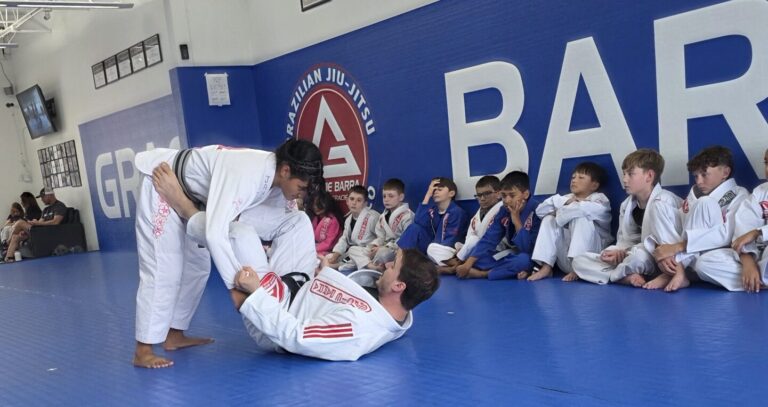
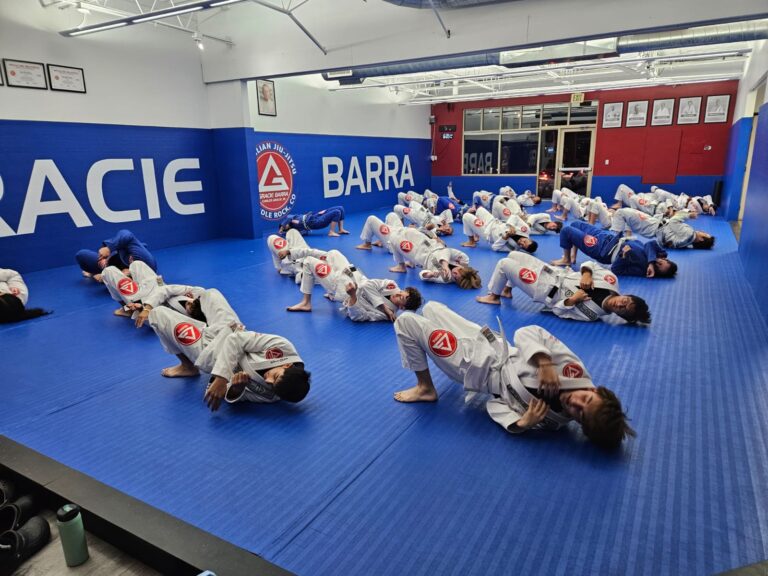
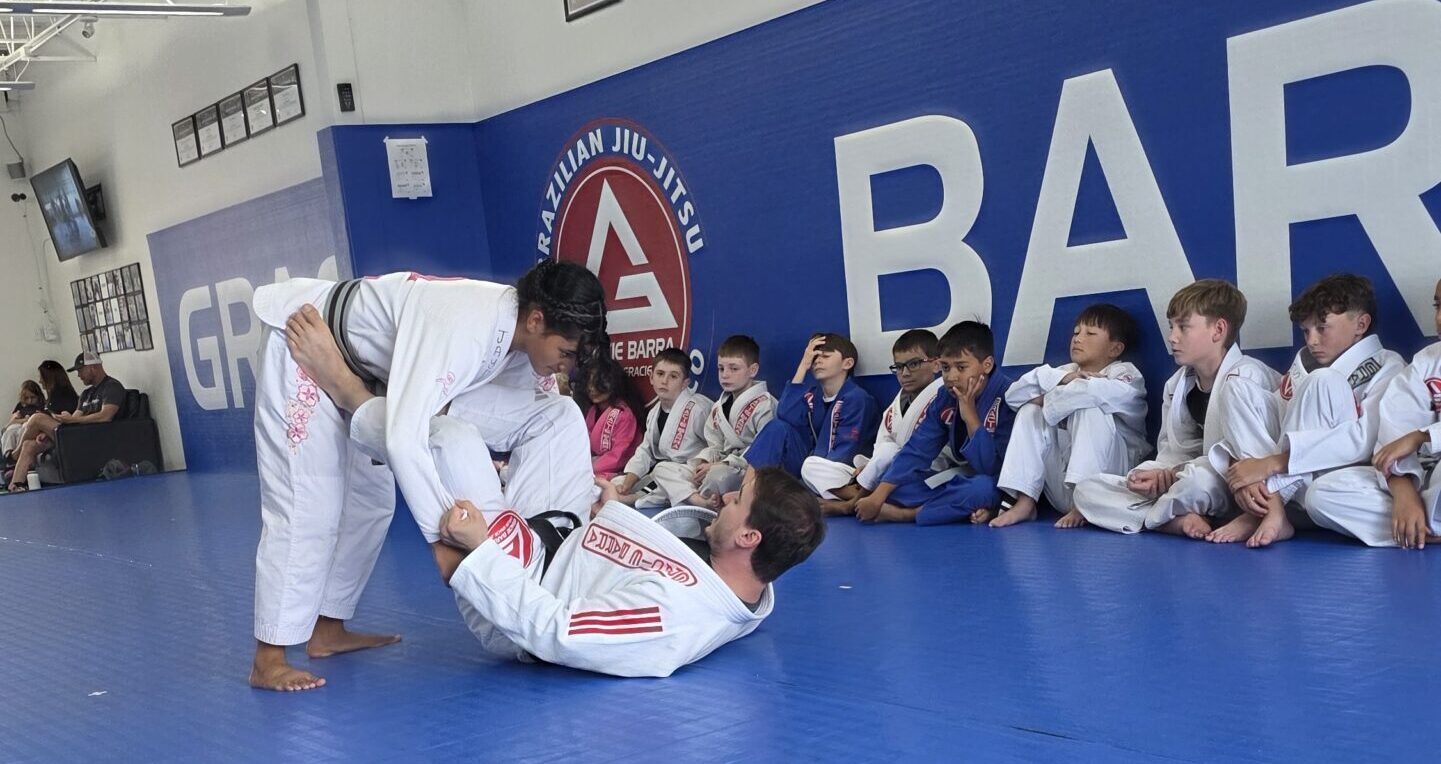
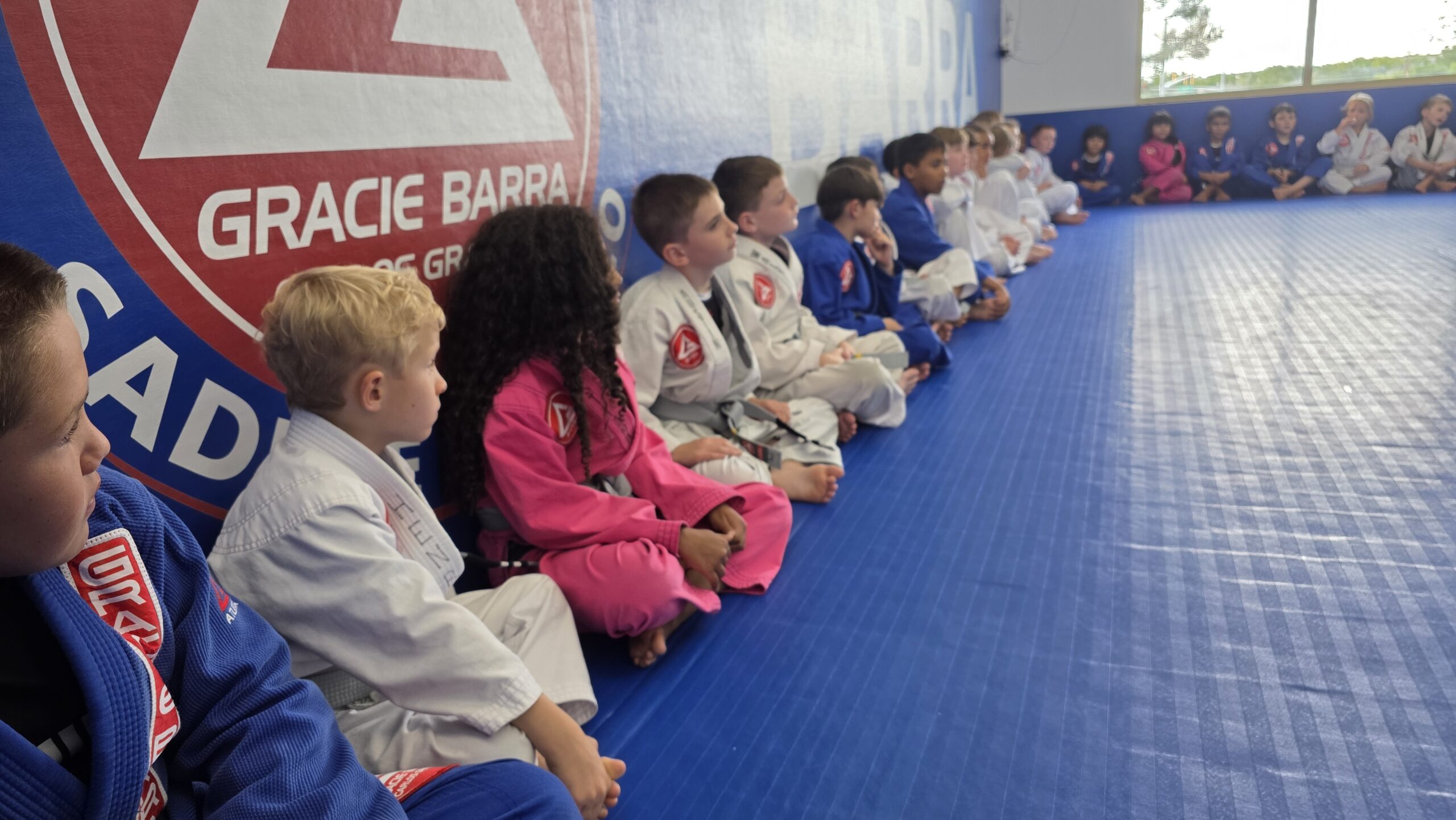
At Gracie Barra Saddle Rock, young martial artists from Centennial and Parker engage in rigorous tournament camps designed to test technical execution against resisting opponents. Our coaches prepare youth athletes to win with humility, handle adversity with grace, and execute high-level techniques with absolute precision.
DISCOVER GRACIE BARRA SADDLE ROCK
CLICK HERETactical Pillars of Kids Competition BJJ Training
Competitive success demands a clear strategic blueprint that links standing exchanges directly to ground dominance and high-percentage submissions.
Dominating the Grip Fight and Initial Exchanges
Every match begins on the feet, where dominant collar-and-sleeve control dictates which athlete establishes their tactical rhythm first. Competitors who aggressively secure the inside position force opponents into reactive stances, shutting down incoming takedown setups before they develop.
Coaches drill precise two-on-one breaks and collar drags to create immediate balance deficits. Learning to win the initial grip exchange sets up seamless entries into single-leg finishes or rapid pulls to offensive open guards without giving up momentum.
Building Impermeable Guard Retention Systems
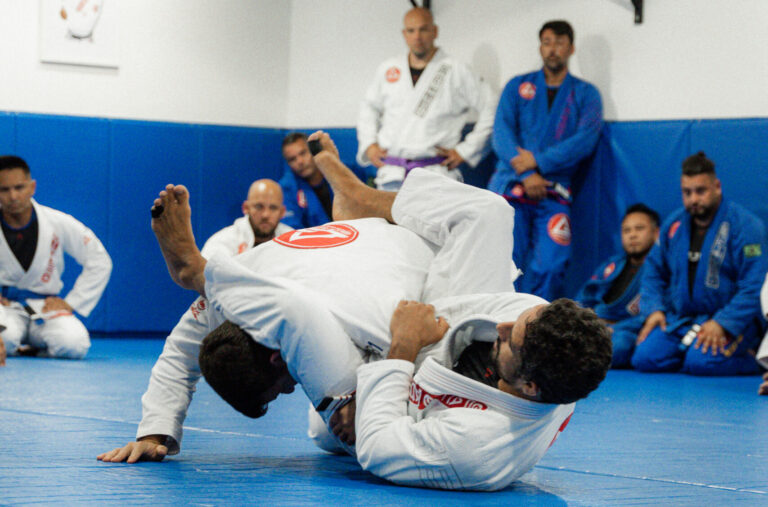
A competitor must never concede a pass easily when fighting from their back. When opponents attempt aggressive toreando or knee-slide passes, junior athletes rely on active frames and sharp hip escapes to re-center their guards instantly.
Drilling secondary recovery lines, such as high leg re-pummeling and knee shields, keeps opponents carrying weight without making progress. Developing this technical defensive layer helps competitors build unshakable trust in their ability to survive aggressive attacks.
Executing Score-Generating Reversals and Sweeps
In tournament formats, sweeping an opponent from bottom position secures two critical scoreboard points while flipping positional momentum. Young competitors learn to combine tripod sweeps, sickler setups, and deep collar drags into uninterrupted offensive combinations.
When an opponent resists one angle of attack, the competitor instantly shifts force to the opposite quadrant. Mastering these mechanical chain reactions directly reflects structured youth belt progression milestones, where fluid timing consistently triumphs over muscular exertion.
Applying Pressure Passing and Positional Control
Once on top, competitors must shut down bottom frames using heavy chest-to-chest connection and disciplined crossface pressure. Passing the guard cleanly yields three points, but rushing through carelessly creates space for the opponent to invert or recover.
Athletes learn to pin hips, clear kneebars safely, and secure dominant side control or mount before pursuing finishes. Internalizing these checkpoints reinforces solid foundational positional standards that serve young athletes across every rank.
Situational Sparring and Tournament Simulation
Drilling isolated moves builds muscle memory, but only high-pressure situational sparring transforms technique into reflexive competitive performance.
Navigating Scoreboard Deficits and Match Timers
Tournament rounds operate within strict time limits where strategic awareness determines the outcome between two evenly matched grapplers. In advanced kids competition BJJ training, rounds simulate trailing by two points with only ninety seconds remaining on the clock.
Athletes learn when to stay patient inside a closed guard and when to force high-risk transitions to score decisive takedown or sweep points. Understanding the scoring table keeps competitors composed even when fighting from behind.
Escaping High-Threat Pins Under Heavy Pressure
Starting sparring rounds pinned beneath side control or technical mount conditions athletes to suppress natural panic responses. Instead of flailing their arms, competitors protect their necks, frame against hip lines, and execute explosive bridges on accurate timing.
Learning to recover half guard under exhausting top pressure transforms a child’s mental perspective during real tournaments. They realize that no bad position is permanent as long as they adhere to sound biomechanical principles.
Managing Cardiovascular Pacing and Grip Stamina
Adrenaline surges during opening matches often cause junior athletes to overgrip their opponent’s kimono, exhausting their forearm flexors within minutes. Coaches teach competitors to switch between dynamic pressure grips and relaxed framing wedges during transitional moments.
Regulating breath through disciplined nasal inhalation prevents cardiovascular crashes during multi-round brackets. Pacing physical output ensures that an athlete enters semifinal and final rounds with adequate endurance to perform at their highest level.
Mental Fortitude, Sportsmanship, and Athlete Well-Being
Competitive martial arts training provides an unmatched vehicle for forging personal accountability, resilience, and authentic respect for one’s peers.
Channeling Adrenaline and Conquering Mat Anxiety
Walking toward the competition ring surrounded by roaring spectators triggers immense nervous tension in young competitors. Training camps deliberately recreate this sensory load through structured mock tournaments held right inside our academy doors.
Athletes learn actionable mental routines, such as controlled box breathing and positive self-talk, to quiet their nerves before stepping onto the mats. These targeted techniques prove vital for handling tournament nerves and mat anxiety, allowing athletes to perform freely.
Fostering Humility, Respect, and Team Camaraderie
Tournament outcomes are binary, but the personal lessons drawn from them are profound and lasting. Competitors bow onto the tatami, respect the referee’s decisions without complaint, and genuinely congratulate opponents regardless of the final outcome.
Experiencing tough losses teaches children to review their technical mistakes without emotional collapse or finger-pointing. This constructive mindset is instrumental in building lasting emotional resilience that carries over directly into academic and personal pursuits.
Prioritizing Safe Recovery and Juvenile Joint Longevity
High-volume tournament camps must prioritize physical recovery to prevent repetitive strain injuries in growing bones and ligaments. Warm-ups emphasize joint mobility, core stability, and dynamic neck strengthening rather than unstructured calisthenics.
Instructors educate youth competitors on the paramount rule of tapping early whenever caught in secure submission holds during practice. Prioritizing athlete safety keeps our training room productive, healthy, and energized throughout demanding competition seasons.
Coaching Oversight and Safety Protocols on the Competition Mat
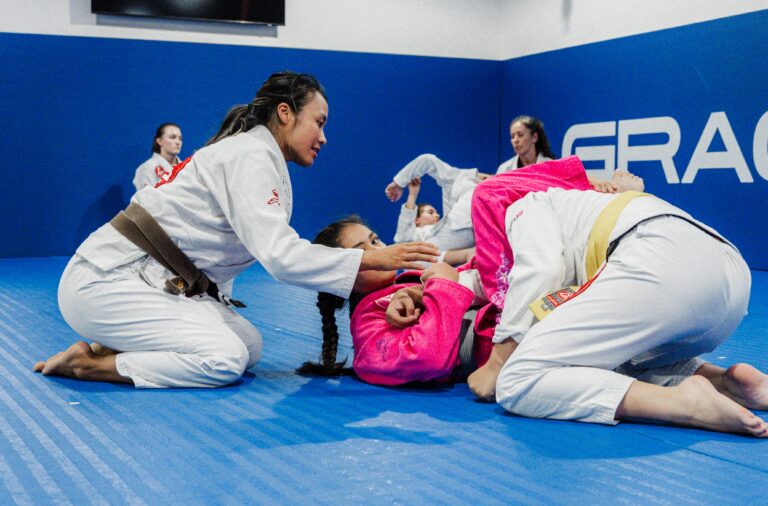
The coaching staff during advanced competitive training holds complete responsibility for athlete safety and technical progression. Every live round is matched according to age, weight, and developmental readiness, preventing mismatches that could endanger a student’s confidence or physical well-being.
At Gracie Barra Saddle Rock, certified instructors supervise each sparring exchange with vigilant attention to legal juvenile rulesets. Referees and coaches immediately halt any sequence where dangerous rotational force threatens a student’s joints, maintaining a world-class training standard.
Translating Tournament Preparation into Lifelong Athletic Habits
The self-discipline cultivated on the competitive tatami influences how children structure their homework, nutrition, and daily routines. Young competitors develop deep intrinsic motivation because they recognize the direct correlation between hard preparation and mat performance.
Parents frequently observe their children demonstrating greater independence, improved emotional regulation, and sharper focus at school. Embracing these healthy disciplines complements holistic athletic conditioning and wellness habits that strengthen the physical vitality of the whole family.
DISCOVER GRACIE BARRA SADDLE ROCK
CLICK HEREBuilding Champions On and Off the Mat
Committing to kids competition BJJ training instills exceptional athletic coordination, mental focus, and unyielding self-confidence in young martial artists. By learning to execute under tournament conditions, children discover internal strength that elevates every facet of their lives.
We welcome ambitious young athletes and families across Aurora, Highlands Ranch, Lone Tree, and Englewood to take the next step. Contact Gracie Barra Saddle Rock today to schedule a trial assessment and watch your child flourish under expert guidance.